

26 Apr ACTPAC: Strategic communication and dissemination framework established to maximise project impact
Effective communication and dissemination are essential to ensure that research results reach the right audiences and create lasting impact. During the initial phase of the ACTPAC project, a comprehensive communication and dissemination framework was developed and implemented to support visibility, stakeholder engagement, and future exploitation.
To maximise the impact of its research and innovation activities, ACTPAC established a structured communication and dissemination strategy covering the full project lifecycle. This strategy was designed to raise awareness of the project, engage relevant stakeholders, and support knowledge transfer to industry, research, policy, and society.
A central element of this approach was the identification of key target groups and stakeholders, including the general public, industry and investors, governance and regulatory bodies, research and academia, associations and networks, as well as related projects and initiatives. Tailored messages and communication channels were defined for each group to ensure that information is delivered in an accessible and relevant manner.
The dissemination and communication framework combines a variety of channels, including a dedicated project website, social media platforms, a regular newsletter, news and knowledge articles, participation in conferences and events, and the development of visual and print materials. These channels were established early in the project to ensure continuous visibility and regular updates on project progress and outcomes.
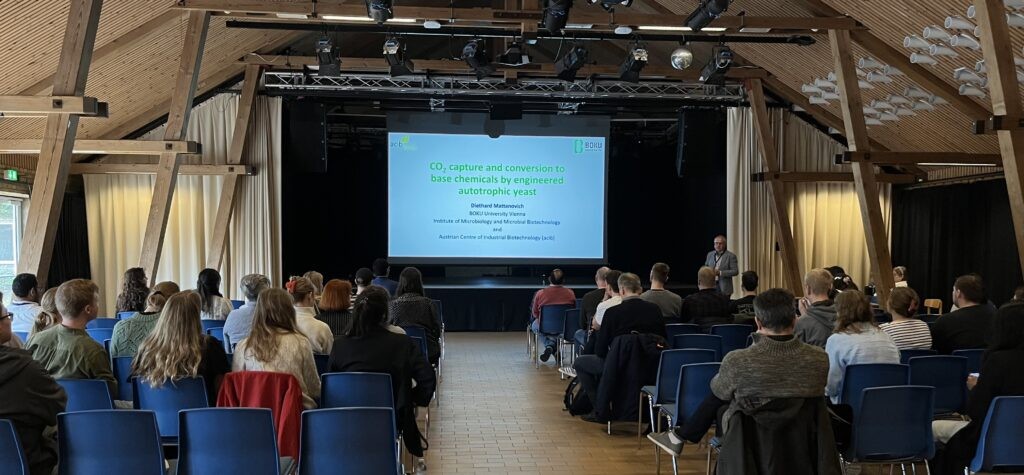
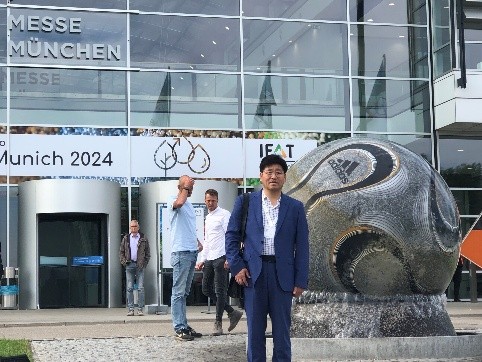
Participation in relevant events represents another important pillar of ACTPAC’s dissemination activities, enabling direct exchange with stakeholders from research, industry, and policy. As examples, ACTPAC contributed to a joint scientific symposium on chemo- and biocatalytic upcycling of plastic waste and synthetic biology for green transition and was also presented at IFAT Munich, the world’s leading trade fair for water, sewage, waste, and raw materials management. These events provide complementary opportunities for scientific dialogue and industry-oriented engagement, supporting visibility, networking, and the communication of ACTPAC’s objectives and exploitation potential.
All consortium partners actively contribute to the communication and dissemination activities, with responsibilities shared across the consortium. Individual dissemination plans have been defined to reflect each partner’s expertise, networks, and outreach capacity, thereby strengthening the overall impact of the project. In parallel, ACTPAC initiated networking and clustering activities with other EU-funded projects to foster collaboration, knowledge exchange, and synergies beyond the project itself.
To ensure transparency and effectiveness, monitoring and evaluation mechanisms were introduced. Key performance indicators have been defined to track outreach, engagement, and visibility across all channels. These indicators allow the consortium to assess progress, adapt activities where necessary, and demonstrate how public funding contributes to awareness raising, stakeholder engagement, and long-term impact.
Through this coordinated communication and dissemination framework, ACTPAC lays the foundation for strong stakeholder involvement, increased visibility, and effective transfer of knowledge, supporting both the scientific ambitions of the project and its future exploitation potential.